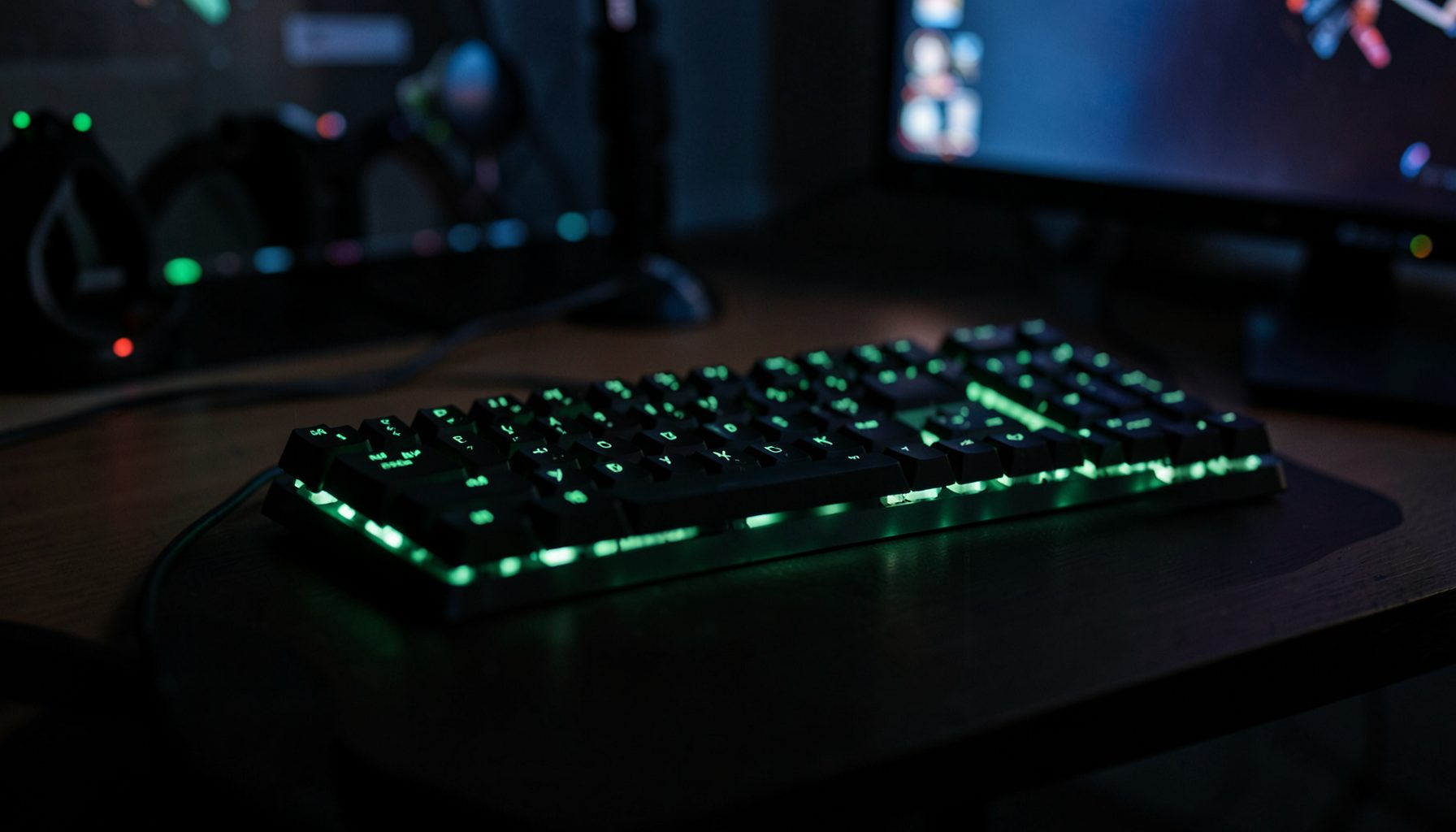
Best Wireless Gaming Keyboards For Speed, Battery, And Build
A wireless gaming keyboard no longer has to trade responsiveness for a cleaner desk. Modern 2.4GHz connections can deliver performance close to wired models, while Bluetooth adds useful flexibility for laptops, tablets, and multiple devices. The strongest options in 2025 also offer hot-swappable switches, refined stabilizers, durable cases, and batteries that can last from several days to many weeks.
The right choice depends on more than polling rate or RGB lighting. Competitive players may prioritize consistent latency and rapid actuation, while streamers and office users may care more about quiet switches, connection versatility, and battery endurance. Size matters too: a compact 75% board saves desk space, while a full-size keyboard keeps the number pad for productivity and creative work.
This guide compares leading wireless mechanical and magnetic-switch keyboards through the features that matter during real gaming sessions: input delay, wireless stability, charging habits, construction, switch feel, software, and long-term practicality.
What Makes A Wireless Keyboard Fast
Wireless gaming keyboards generally use either Bluetooth or a dedicated 2.4GHz USB receiver. Bluetooth is convenient and efficient, but it can introduce higher latency and less consistent performance. A 2.4GHz connection is the preferred mode for competitive gaming because it maintains a direct link between the keyboard and its receiver, often with polling rates of 1,000Hz or higher.
Latency is affected by the entire input chain, including switch scanning, firmware processing, wireless transmission, and the computer’s response. A high polling rate alone does not guarantee a faster keyboard. Good firmware and a stable receiver position are equally important. A USB extension cable can help place the receiver closer to the keyboard and reduce interference from a PC case or other wireless devices.
Magnetic Hall effect keyboards add adjustable actuation and rapid trigger features. These allow a key to reset as soon as it begins moving upward, which can make repeated strafing and quick directional changes feel more immediate. Traditional mechanical keyboards still provide excellent response, and many offer a more familiar typing feel, broader switch compatibility, and simpler software.
Battery Life And Charging Habits
Battery estimates vary widely because manufacturers often measure endurance with RGB disabled. Lighting brightness, polling rate, display features, and sleep settings can dramatically change real-world results. A keyboard rated for several weeks may last only a few days with bright RGB and heavy daily use, while a model with a modest specification can run for months when lighting is turned off.
For a gaming desk, a practical target is at least 40 to 50 hours with lighting enabled and substantially longer with illumination disabled. Keyboards with large batteries can exceed 100 hours, but they may be heavier and take longer to recharge. Fast USB-C charging is valuable when a low-battery warning arrives before an important game or work session.
Battery indicators should be visible in software or on the keyboard itself. Some boards provide a dedicated status light, while others rely entirely on a desktop application. Multi-device keyboards can sometimes operate through 2.4GHz, Bluetooth, and wired USB, allowing them to remain useful even when the battery is empty.
Build Quality And Everyday Comfort
A solid wireless keyboard should resist flex when lifted or pressed at the edges. Aluminum top plates, reinforced plastic frames, and well-supported mounting structures generally produce a more stable feel than thin budget cases. Weight can improve desk stability, although a lighter keyboard may be better for users who frequently move between a desktop and laptop.
Keycap quality also affects long-term satisfaction. Double-shot PBT keycaps resist shine and keep legends clear, while thin ABS caps can develop a smoother, glossy surface over time. Neither material determines the entire typing experience, but PBT is usually the safer option for heavy gaming and daily use.
Layout is just as important as construction. A 75% keyboard retains arrow keys and a function row without taking much space, while a tenkeyless model offers a wider mouse area for low-sensitivity aiming. Compact 65% keyboards are portable, but they remove the function row and may require more shortcuts. Full-size boards suit productivity users but occupy more desk space.
Wireless Keyboard Comparison For 2025
The following models cover different priorities rather than targeting a single type of player. Prices can change with regional discounts, and included switches or keycaps may vary between versions.
| Keyboard | Connection And Layout | Main Strength | Battery Expectation | Best For |
|---|---|---|---|---|
| Asus ROG Azoth Extreme | 2.4GHz, Bluetooth, USB; 75% | Premium construction and adjustable typing feel | Long endurance with lighting managed | Enthusiasts seeking a high-end custom-style board |
| SteelSeries Apex Pro TKL Wireless Gen 3 | 2.4GHz, Bluetooth; TKL | Adjustable magnetic switches and gaming-focused software | Strong, but lighting reduces runtime | Competitive players and esports-style setups |
| Keychron Q1 HE | 2.4GHz, Bluetooth, USB; 75% | Hall effect switches and custom-keyboard feel | Good for mixed use | Gamers who also type extensively |
| Logitech G915 X Lightspeed | 2.4GHz, Bluetooth, USB; full-size or TKL | Low-profile design and mature wireless reliability | Long in practical use with moderate lighting | Users wanting a slim, quiet, fast keyboard |
| Corsair K65 Plus Wireless | 2.4GHz, Bluetooth, USB; 75% | Good value, hot-swap support, and useful controls | Very competitive with RGB managed | Mainstream gaming and everyday desktop use |
| NuPhy Air75 HE | 2.4GHz, Bluetooth, USB; 75% low-profile | Thin magnetic-switch design and portability | Dependent on lighting and polling settings | Laptop users and compact desk setups |
The Asus ROG Azoth Extreme is aimed at buyers who want a premium wireless keyboard with a more enthusiast-oriented feel. Its substantial construction, gasket-style design elements, OLED display, and adjustable features make it more versatile than a basic gaming board. It is expensive and heavier than many alternatives, but the build quality feels appropriate for a high-end setup.
SteelSeries’ Apex Pro TKL Wireless Gen 3 is a strong option for competitive gaming. Its adjustable magnetic switches let users set actuation points for different games, and the tenkeyless layout provides plenty of room for mouse movement. The software is among the more comprehensive choices for profiles and game-specific settings, although the board’s feature set can feel excessive if adjustable actuation is not important to you.
The Best Picks For Different Players
The Keychron Q1 HE appeals to users who want gaming performance without giving up the character of a custom mechanical keyboard. Its 75% layout, metal chassis, hot-swappable magnetic switches, and broad customization options make it suitable for both gaming and long typing sessions. Keychron’s software is less polished than the ecosystems from Logitech or SteelSeries, but the hardware offers considerable flexibility.
The Logitech G915 X Lightspeed remains attractive for users who prefer low-profile keycaps and a slim appearance. Its dedicated media controls, reliable receiver, and multi-device support make it practical at work and at play. Low-profile switches have shorter travel and a different sound from conventional mechanical switches, so they suit users who want a quicker, flatter feel rather than a deep custom-keyboard experience.
For a more balanced price, the Corsair K65 Plus Wireless is one of the easiest recommendations. It combines a compact 75% layout with hot-swappable switches, a rotary control, useful media functions, and dependable wireless modes. It may lack the premium materials and advanced magnetic features of more expensive models, but its feature mix works well for most gaming PCs.
The NuPhy Air75 HE is a particularly interesting choice for mobile setups. Its thin profile and magnetic switches provide adjustable actuation in a lightweight format, making it easier to carry alongside a gaming laptop. Low-profile boards have less key travel and can take time to adapt to, but the Air75 HE is a compelling option when desk space and portability matter.
Software, Switches, And Gaming Features
Software quality can determine whether advanced hardware is enjoyable or frustrating. Look for straightforward profile switching, reliable firmware updates, per-key remapping, macro support, and controls for actuation settings. Cloud accounts are not essential, and local profile storage is useful when moving between computers.
Mechanical switch choice remains important even on wireless models. Linear switches are usually smooth and consistent for gaming, tactile switches provide a noticeable bump for typing, and clicky switches create a louder sound that may not suit shared spaces. Hot-swappable sockets allow switches to be replaced without soldering, adding useful flexibility if the stock option is not ideal.
Magnetic switches offer more control, but they are not automatically superior. Adjustable actuation can be valuable in competitive games, while rapid trigger may require careful tuning to avoid accidental inputs. For general gaming, a well-built mechanical keyboard with dependable firmware can feel just as satisfying and may offer a wider range of keycap and switch choices.
Before buying, it is worth reviewing detailed gaming gear guides alongside manufacturer specifications. Product pages often emphasize maximum battery figures or peak polling rates without explaining how those numbers change when RGB, Bluetooth, or advanced scanning modes are enabled.
Practical Recommendations Before Buying
- Choose 2.4GHz wireless for competitive gaming and keep Bluetooth for secondary devices.
- Select a 75% or tenkeyless layout if you need more mouse room without losing important navigation keys.
- Treat advertised battery figures as best-case estimates and prioritize USB-C charging.
- Pick magnetic switches when adjustable actuation or rapid trigger has a clear benefit for your games.
- Check receiver storage, keycap material, software support, and local profile memory before purchase.
A keyboard with excellent specifications can still disappoint if its receiver is poorly positioned or its software is unreliable. Place the wireless dongle in an unobstructed location, update firmware before serious testing, and check whether sleep settings interrupt reconnection. If the keyboard will be used across several systems, confirm that switching between devices is quick and clearly indicated.
It is also sensible to consider replacement parts. Standard keycap compatibility, hot-swap sockets, available switch options, and a removable USB cable can extend the useful life of a keyboard. Premium wireless models cost more initially, but serviceable components and strong firmware support can make them better long-term purchases than cheaper boards with limited customization.
Finding The Right Wireless Gaming Keyboard
For the fastest competitive experience, the SteelSeries Apex Pro TKL Wireless Gen 3 stands out because its magnetic switches and compact layout support precise actuation control. The Asus ROG Azoth Extreme is the luxury pick for buyers who value premium construction and a more elaborate feature set. Keychron’s Q1 HE offers the best balance for enthusiasts who divide their time between gaming and typing.
The Logitech G915 X Lightspeed is the practical choice for low-profile fans, while the Corsair K65 Plus Wireless delivers a strong mix of features at a more approachable price. The NuPhy Air75 HE is better suited to portable setups, especially when a gaming laptop is part of the daily routine.
Choose according to the way you actually use your keyboard rather than selecting the model with the longest specification sheet. Prioritize stable 2.4GHz performance, dependable battery life, a comfortable layout, and a switch feel you enjoy for hours at a time. Then compare current prices and pick the board that gives your gaming setup the right combination of speed, endurance, and build quality.