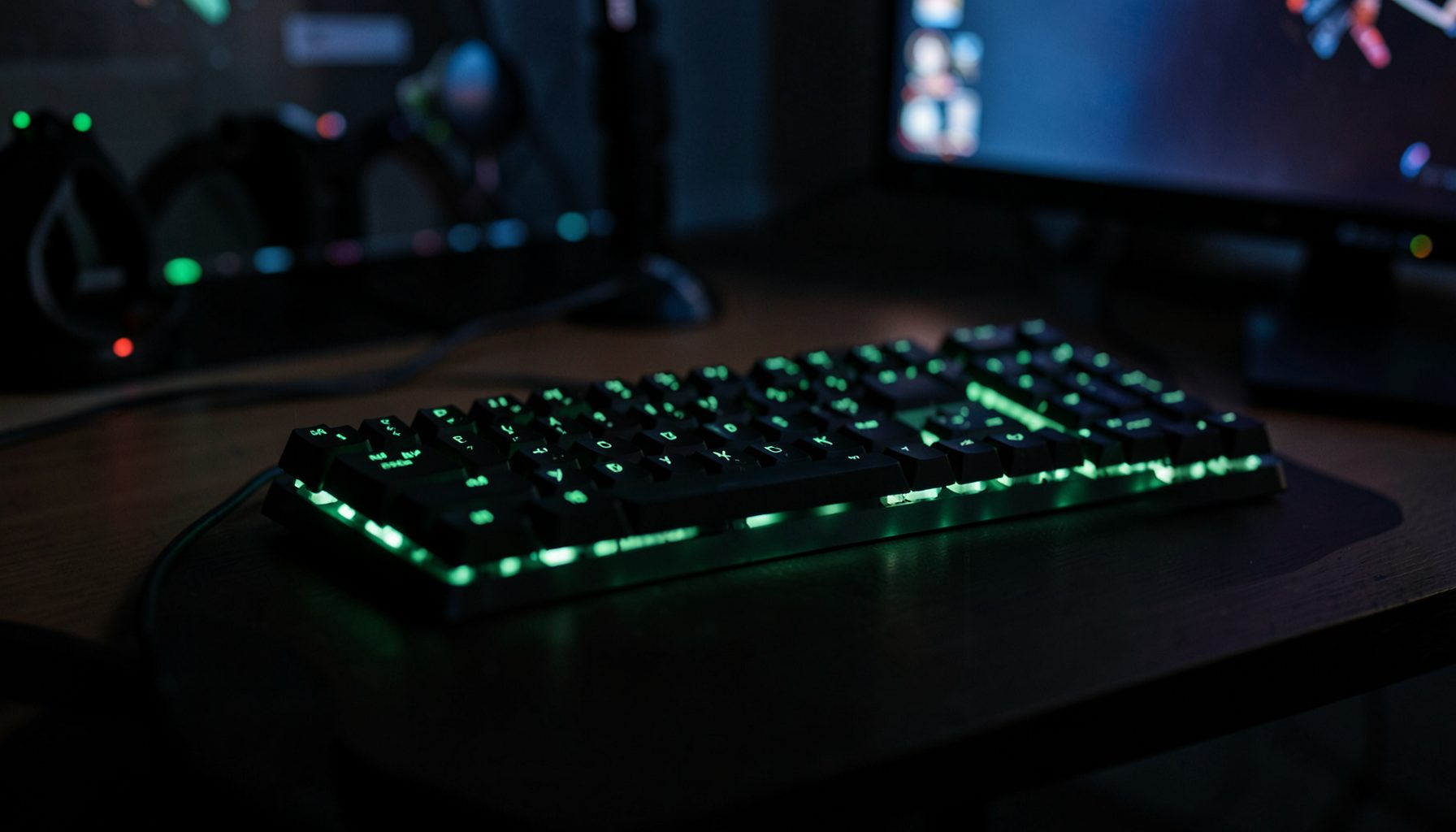
HyperX QuadCast S Review For Streamers And Voice Chat
A good USB microphone can make a bigger difference to a stream, Discord call, or gaming video than a modest graphics card upgrade. Clear speech helps viewers follow commentary, teammates understand callouts, and friends avoid asking you to repeat every sentence. The HyperX QuadCast S targets that audience with a simple setup, multiple pickup patterns, RGB lighting, and built-in monitoring. Learn more about Kostanay Invest2018.kz.
It is an older model now, but it remains widely available in Australia through retailers such as JB Hi-Fi, Amazon Australia, and specialist PC stores. Its appeal comes from convenience rather than studio-level complexity: connect it by USB, select it in Windows, position it correctly, and start talking. That makes it attractive to first-time streamers and PC builders who do not want an audio interface.
This HyperX QuadCast S review examines sound quality, background noise handling, comfort of use, wireless-free reliability, software, and value in real gaming situations. It also considers the practical details that matter in Australian homes, from NBN-related voice chat to small bedrooms in Sydney apartments and shared Melbourne workspaces.
The QuadCast S is best viewed as a polished all-in-one condenser microphone. It is not the cheapest USB mic, nor is it the ideal choice for every room. Its performance depends heavily on placement and acoustics, so the buying decision comes down to whether its convenience and features justify its price.
Design And Setup
The QuadCast S has a distinctive cylindrical body suspended inside an elastic shock mount. The mount reduces vibration from desk bumps, keyboard impacts, and accidental contact with the stand. A weighted base is included, although the microphone can also be attached to a boom arm using the standard thread underneath.
Setup is straightforward. A USB-C port connects the mic to the supplied USB cable, while a 3.5mm headphone jack provides zero-latency monitoring. Windows generally recognises it immediately as an audio input and output device. macOS support is also uncomplicated, though some advanced lighting controls depend on HyperX’s NGENUITY software.
The front touch sensor mutes the microphone with a light tap, and the entire top section illuminates red when the mic is active. When muted, the lighting switches off, making the status easy to see during a busy stream. A large gain dial sits beneath the grille, so volume adjustments are possible without opening software.
For an Australian desk setup, the included stand is useful in a spare room, bedroom, or compact Brisbane apartment. It does take up more space than a low-profile microphone on a boom arm, and the rigid USB cable can become noticeable if the mic is positioned far behind a monitor.
Audio Quality For Gaming
The QuadCast S uses a condenser capsule with a 16-bit, 48kHz recording mode. That specification is common in gaming microphones and is sufficient for Twitch commentary, YouTube narration, Discord, and in-game chat. Speech sounds bright and detailed, with enough presence to make voices cut through game audio without demanding aggressive equalisation.
Its cardioid pattern is the most useful setting for solo streaming. It focuses on sound from the front and rejects some noise from behind, including a PC tower or loud monitor speakers. The result is clean dialogue when the microphone is placed around 15 to 25 centimetres from the speaker and aimed correctly.
The microphone can sound thin or slightly sharp if it is positioned too far away. Speaking across the capsule rather than directly into it can also reduce clarity. A pop filter is built into the grille, but plosive sounds from words beginning with “p” and “b” may still appear if the speaker talks very close to the mic.
Mechanical keyboard noise is reduced rather than eliminated. Blue or clicky switches remain audible, particularly when the mic is on the same desk as the keyboard. A boom arm, soft desk mat, and software noise suppression can improve the result. For a shared home in Perth or Adelaide, those small changes may matter as much as buying a more expensive microphone.
Streaming And Voice Chat
The QuadCast S offers four pickup patterns: cardioid, stereo, omnidirectional, and bidirectional. Cardioid is suited to one-person streaming and competitive voice chat. Stereo can create a wider sense of space for music or casual content, while omnidirectional recording is useful for a group seated around a table.
Bidirectional mode supports interviews or two speakers facing opposite sides of the microphone, although a pair of separate microphones will usually deliver better isolation. Switching patterns is done with a rear dial. This flexibility is valuable for creators who expect their setup to change over time.
In Discord, the microphone produces a fuller and more natural voice than many laptop microphones or gaming headsets. The headphone monitoring output is particularly helpful because it lets users hear their own voice without the delay associated with software monitoring. The volume control for the headphone output is placed on the underside.
NBN connections generally provide enough bandwidth for high-quality voice chat, but internet speed does not correct a poor microphone position. In games such as Counter-Strike 2, Valorant, or Apex Legends, clear short callouts depend on gain levels, noise gates, and room noise just as much as on the microphone itself.
Useful Features And Software
NGENUITY gives the QuadCast S its main software advantage. Users can adjust the RGB lighting, select colours and effects, and manage some device settings. The lighting is attractive on camera, particularly when the microphone sits beside a black gaming monitor, though it has no impact on recording quality.
The physical controls are more important than the RGB. The tap-to-mute sensor is fast and intuitive, while the gain dial avoids the need to reach for Windows settings during a live broadcast. The headphone jack provides direct monitoring and can also pass through computer audio for basic listening.
Useful hardware features include:
- A built-in shock mount for reducing desk vibration
- A touch-to-mute control with visible status lighting
- A gain dial and headphone volume control
- Four selectable recording patterns
- A standard mount connection for boom arms
The mic works well with OBS Studio, Streamlabs, Discord, Zoom, Microsoft Teams, and most mainstream recording applications. It is generally a plug-and-play product rather than a device that requires drivers or an external mixer. That simplicity is a major reason it continues to appeal to new creators.
There are a few software limitations. NGENUITY has changed over time and may feel less refined than professional audio applications. RGB control can also be unnecessary if the microphone is hidden behind a monitor. Users who want detailed compression, equalisation, and noise gating will still need OBS filters or separate audio software.
Everyday Usability And Reliability
The shock mount is one of the strongest parts of the package. It keeps the capsule isolated from many small desk movements, and the grille feels sturdy enough for regular use. The microphone is not especially portable, however, because its stand and body occupy a substantial amount of desk space.
The USB connection is reliable for normal desktop use. There is no wireless mode, which means there is no battery management, Bluetooth compression, or radio interference to consider. The trade-off is that the cable must remain connected, and a long run across a desk can look untidy.
Monitoring through the headphone jack is clean enough for gaming and voice work. It is not intended to replace a dedicated audio interface or studio headphone amplifier. Volume is adequate for common closed-back gaming headsets and headphones, but demanding high-impedance models may not reach their ideal level.
Long sessions are comfortable because there is no need to wear a headset microphone close to the mouth. That can be useful during hot Australian summers in places such as Darwin or Townsville, where a separate desktop mic avoids adding another warm component around the head. It also leaves the choice of headphones open.
Where It Falls Short
The QuadCast S is sensitive enough to expose a noisy room. Air conditioners, ceiling fans, traffic, and nearby conversations can enter the recording. Its condenser design favours detail, but that detail includes unwanted sound. A dynamic microphone may be a better fit for a room with hard surfaces or poor sound isolation.
The RGB lighting adds cost without improving audio. Buyers who intend to place the microphone below a monitor or keep their camera off may get better value from a plainer USB model. The QuadCast S also lacks a built-in hardware compressor or advanced vocal processing, features found on some more recent premium microphones.
Potential drawbacks to consider include:
- Background noise remains audible in lively rooms
- The stand occupies significant desk space
- RGB features have little practical audio value
- The microphone can sound bright if gain and distance are poorly set
- Its price may overlap with entry-level XLR microphone bundles
Placement is crucial. Pointing the rear of the microphone toward the loudest source, lowering the gain, and keeping the capsule close to the speaker usually produces better results than increasing software noise reduction. A foam panel behind the user can help, but covering every wall is unnecessary for ordinary streaming.
Australian pricing can vary significantly during EOFY sales, Black Friday, and retailer promotions. At full recommended pricing, the microphone faces strong competition. At a discounted price around the mid-A$100s to low-A$200s, its package of controls, monitoring, and mounting hardware becomes much more compelling.
Alternatives And Buying Value
The best alternative depends on the room and the type of content. The Logitech Blue Yeti remains a familiar option with similar multi-pattern flexibility, although its stand is bulky and its controls feel less modern. The Razer Seiren V2 X is a simpler cardioid model that may suit users who only need direct voice capture.
The Elgato Wave:3 is a strong competitor for streamers who want excellent software routing and a polished desktop experience. The Audio-Technica AT2020USB-X is another capable option, with a more restrained design and a sound that suits spoken-word recording. Buyers who already own an audio interface could instead choose an XLR microphone such as the classic AT2020, but that raises setup costs.
| Microphone | Best For | Main Strength | Main Limitation |
|---|---|---|---|
| HyperX QuadCast S | Streamers and voice chat | Features, monitoring, RGB, easy setup | Sensitive to room noise |
| Logitech Blue Yeti | Multi-person recording | Flexible pickup patterns | Large stand and older design |
| Razer Seiren V2 X | Simple gaming setups | Compact cardioid recording | Fewer pickup options |
| Elgato Wave:3 | Serious streaming | Software mixing and clear voice | Higher cost and fewer patterns |
| Audio-Technica AT2020USB-X | Spoken-word recording | Detailed, natural sound | Less gaming-focused styling |
For readers comparing microphones alongside other PC upgrades, gaming hardware coverage can help place the QuadCast S beside current headsets, keyboards, graphics cards, and streaming accessories. A microphone should fit the entire setup, including desk space, headphone choice, camera position, and the amount of acoustic noise in the room.
A general online purchase also benefits from checking Australian warranty terms, return policies, and the correct power or cable configuration. The QuadCast S is USB-powered, so mains compatibility is not a concern, but local support and retailer handling can still matter when buying during a major sale.
Verdict For Australian Buyers
The HyperX QuadCast S remains a worthwhile USB microphone for streamers, gamers, and voice-chat users who value an easy setup and useful physical controls. Its clear vocal reproduction, headphone monitoring, shock mount, selectable pickup patterns, and visible mute status make it more versatile than a basic headset microphone.
It is less convincing for users recording in a noisy room or those who do not care about RGB and multi-pattern recording. A dynamic USB microphone may reject background noise more effectively, while an XLR setup can offer greater long-term control for creators prepared to learn audio mixing.
At a sensible sale price, the QuadCast S earns its place as a dependable desktop microphone for Twitch, Discord, YouTube, and gaming clips. Buy it for its practical controls and complete package, rather than the lighting alone, and position it carefully for the cleanest result. Check current Australian pricing, pair it with a stable boom arm if desk space is limited, and use the built-in monitoring to fine-tune your voice before going live.